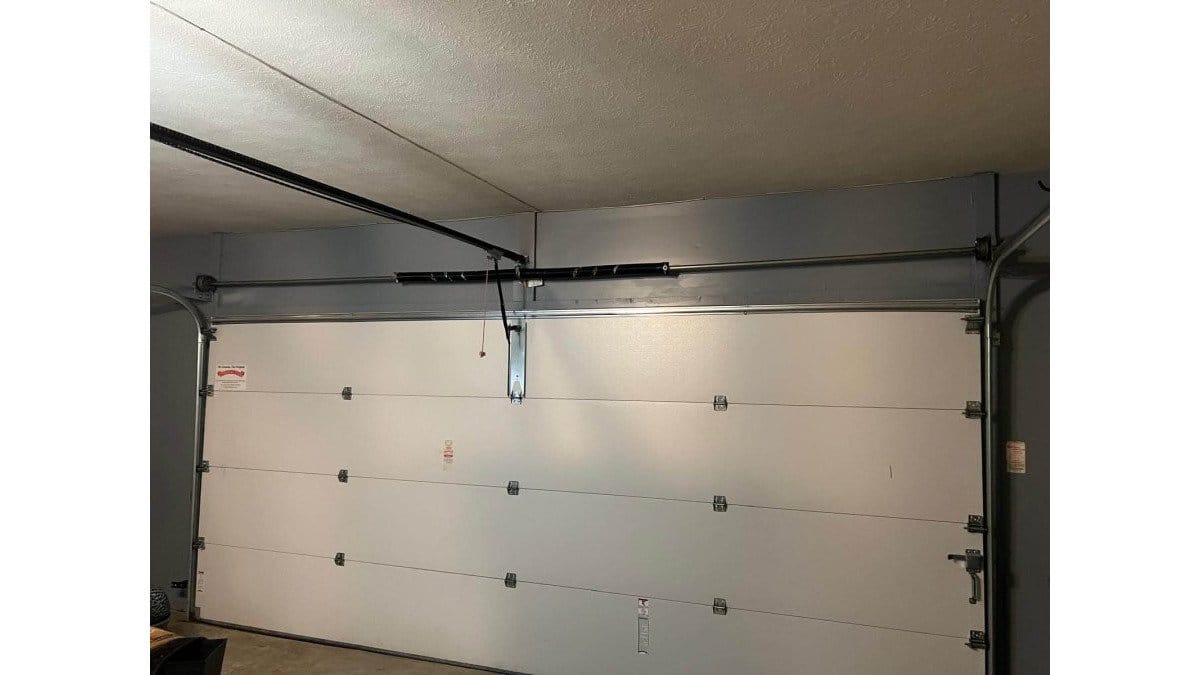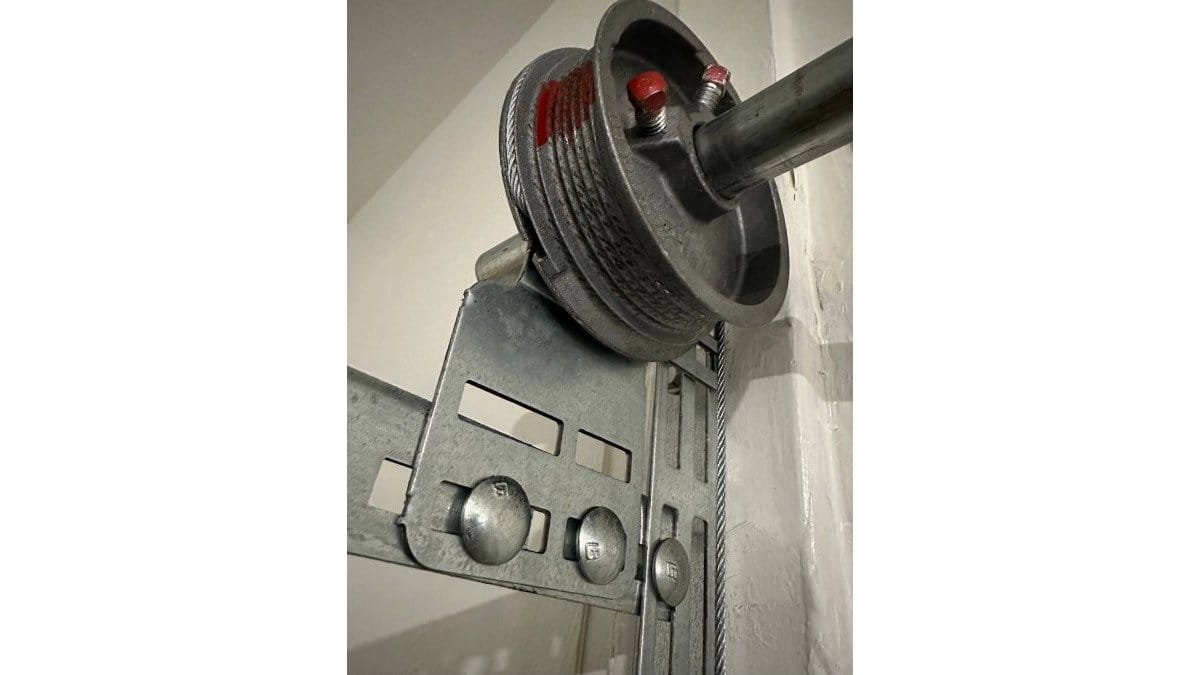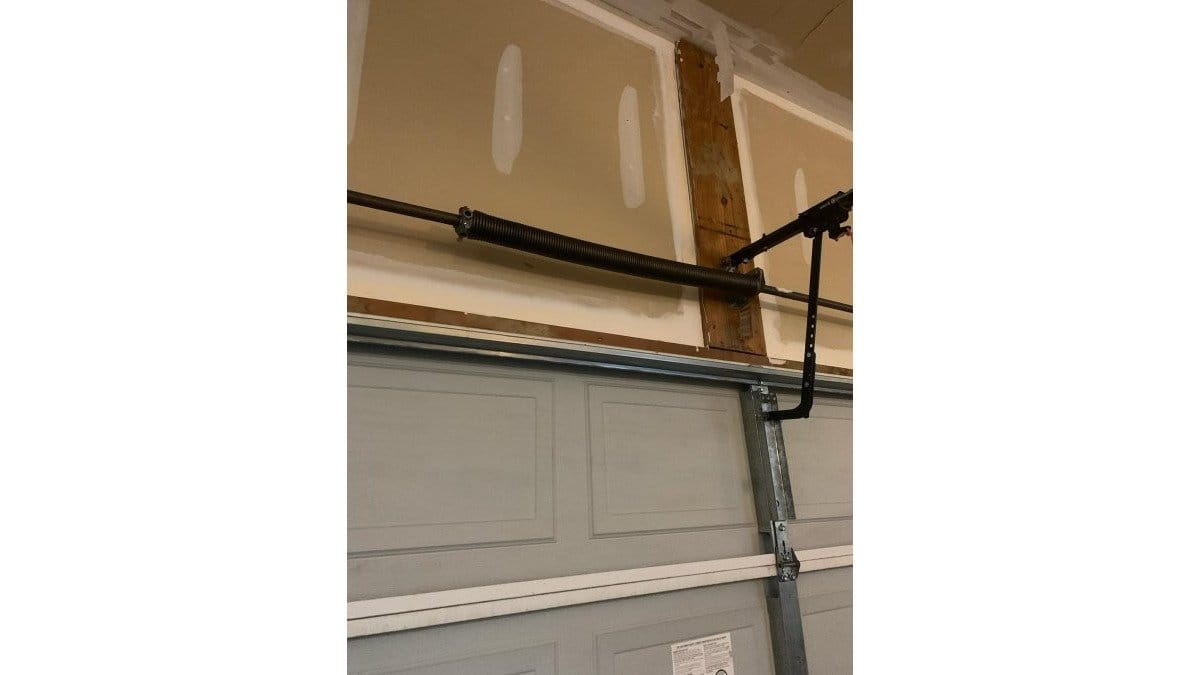
Table of Contents
- 1. Loud Banging or Popping Noises When Opening or Closing
- 2. Visible Gaps or Separation in Spring Coils
- 3. Door Feels Heavy or Difficult to Lift
- 4. Door Opens Unevenly or Moves Crooked
- 5. Door Slams Shut or Falls Unexpectedly
- Average Lifespan of Garage Door Springs
- Garage Door Spring Replacement Cost and DIY Safety Concerns
- What to Do If You Spot These Warning Signs
- Frequently Asked Questions
Last Updated: September 4, 2026
Your garage door spring works thousands of times a year under extreme tension, yet most homeowners never think about it until it fails. Ignoring warning signs turns a routine repair into a safety hazard involving high-tension components that can cause serious injury. At Garage Door Pro, we know exactly what to look for before a complete breakdown occurs.
The five warning signs below are the most reliable indicators that your springs have reached the end of their service life. Catching them early means scheduling a repair on your terms instead of facing an emergency.
1. Loud Banging or Popping Noises When Opening or Closing
A loud bang or sharp pop from above your garage door signals a torsion spring has snapped under load. The sound carries through the entire house as the spring releases stored energy instantly, and broken ends strike the door frame or hardware.
Extension springs, which run along the horizontal tracks above the rollers, can also produce a metallic clatter when they break. If you hear any sudden, explosive sound from your garage, stop using the door immediately and inspect the area above the door opening for broken spring pieces or visible damage.
2. Visible Gaps or Separation in Spring Coils
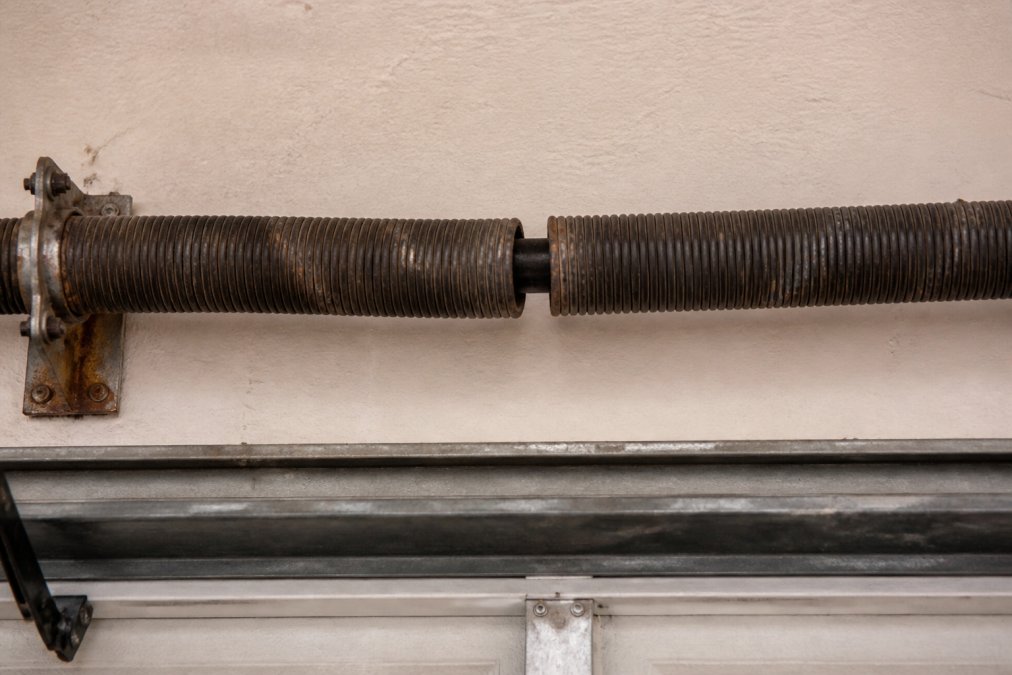
A healthy torsion spring has tightly wound coils with minimal space between each wrap. A visible gap or separation signals the spring has lost tension and can no longer support the door’s weight properly.
Safe Visual Inspection Checklist
Inspect your springs from a distance without touching any component:
- Disconnect the opener. Pull the emergency release cord to prevent the door from moving unexpectedly during inspection.
- Position yourself safely. Stand on a step stool to the side of the door opening, never directly underneath. Ensure the door is fully closed and stable.
- Examine the torsion spring above the door. Look at the spring mounted horizontally above the door opening. A consistent, tight winding pattern with uniform gaps between coils is normal.
- Look for visible gaps or stretched sections. Any section where you can see daylight through the coils indicates spring failure. A fractured spring often shows a noticeable gap at the break point.
- Check for rust, discoloration, or pitting. Deep pitting, dark staining, or corroded areas suggest accelerated degradation and premature failure.
- Inspect the safety cables. If your door has extension springs, check the safety cables running through the center of each spring. Loose, frayed, or dangling cables indicate spring failure.
- Compare both springs if your door has two. Both should appear identical in coil spacing, color, and condition. If one looks noticeably different, that spring is failing.
What NOT to Do During Inspection
Never touch the springs, cables, or winding cone. Springs are under thousands of pounds of tension, and even a small mistake can cause violent failure and serious injury.
If you see a visible gap, hear a recent loud bang, or notice the door behaving abnormally, stop using the door immediately and call a professional. Do not attempt to operate the door manually or with the opener, as this can cause further damage or injury.
3. Door Feels Heavy or Difficult to Lift
A properly balanced garage door should feel nearly weightless when you disengage the opener and lift it manually. A door that suddenly feels heavy or drops quickly indicates a spring problem.
Test your door’s balance by pulling the emergency release cord and lifting the door halfway. A well-functioning door stays in place when you let go. If the door sinks back down or requires significant effort to lift, the counterbalance system is failing.
4. Door Opens Unevenly or Moves Crooked
Watch your door as it opens. It should travel smoothly and evenly along both vertical tracks. If one side lifts faster than the other or the door appears crooked, a spring has failed.
Uneven movement stresses the door hardware and can cause cables to fray or slip off their drums. If you see the door tilting or hear grinding noises, stop using it and call for professional repair immediately.
5. Door Slams Shut or Falls Unexpectedly
A garage door that closes too quickly, slams shut, or falls unexpectedly has lost its counterbalance. Without proper spring tension, gravity takes over, creating a serious safety risk.
If you lift the door manually and it crashes down, or if the opener strains to hold it open, the springs are failing. A door that falls unexpectedly can cause significant property damage and injury.
Average Lifespan of Garage Door Springs
Garage door springs have a finite service life measured in cycles. Standard torsion springs are typically rated for approximately 10,000 cycles, while extension springs last between 5,000 and 10,000 cycles. High-cycle springs rated for 20,000 cycles offer longer service life for busy households.
Calculating Your Spring’s Remaining Life
To estimate when your springs will fail, multiply your daily door uses by 365 days, then divide the spring’s rated cycle life by that annual total. For example:
- A household using the door 4 times per day = 1,460 cycles per year
- A 10,000-cycle spring ÷ 1,460 cycles/year = approximately 6.8 years of service life
- A household with 8 daily uses = 2,920 cycles per year
- The same 10,000-cycle spring ÷ 2,920 cycles/year = approximately 3.4 years of service life
A family with multiple drivers or frequent deliveries can exhaust a standard spring’s lifespan in three to four years, while light-use households might stretch it to eight or nine years.
Understanding Cycle Degradation
Spring failure is cumulative metal fatigue. As the spring approaches 70-80 percent of its rated life, fatigue accelerates, causing catastrophic failure. Environmental factors like temperature swings, humidity, and poor lubrication can reduce actual lifespan by 20-40 percent (peer-reviewed research).
Proactive Replacement Strategy
If your springs are approaching 70 percent of their rated lifespan, roughly 7,000 cycles for a standard 10,000-cycle spring, schedule an inspection before failure occurs. A technician can assess the spring’s condition, check for early signs of fatigue, and recommend replacement on your timeline rather than forcing an emergency repair. Replacing springs before they break also prevents secondary damage to cables, rollers, and the door frame, which can add hundreds of dollars to the total repair cost. The International Door Association’s guidance on spring maintenance emphasizes that preventative replacement is more cost-effective than emergency repair combined with damage mitigation.
Garage Door Spring Replacement Cost and DIY Safety Concerns
Garage door spring replacement cost varies based on spring type, door size, and whether you choose standard or high-cycle springs. Professional replacement pricing is reasonable compared to the cost of repairing DIY damage.
Attempting a DIY garage door spring replacement is genuinely dangerous. Torsion springs are wound to extreme tension, and the tools required to wind and unwind them can slip or fail catastrophically. The Consumer Product Safety Commission’s safety alerts on garage door springs has documented serious injuries resulting from homeowners attempting spring repairs without proper training and equipment. The winding cone can spin violently during removal, and the cable drum can release with enough force to cause fractures or amputations. Professional technicians use specialized winding bars, follow strict safety protocols, and understand the precise tension calculations required for each door weight.
Spring Type | Typical Lifespan | Failure Warning Signs | DIY Risk Level |
|---|---|---|---|
Torsion Spring | 10,000+ cycles | Loud bang, visible coil gap, uneven door movement | Very high, requires specialized tools |
Extension Spring | 5,000-10,000 cycles | Stretched coils, loose safety cables, door slams shut | High, springs under tension during operation |
High-Cycle Torsion | 20,000+ cycles | Same signs as standard torsion, but less frequent | Very high, same installation risk |
What to Do If You Spot These Warning Signs
If you recognize any of the five warning signs, stop using the garage door immediately and disconnect the opener using the emergency release cord. Do not attempt to lift a door with a broken spring. Keep the door closed and call a professional garage door spring replacement service.
A qualified technician will inspect the springs, cables, rollers, and door track to determine the extent of the damage. They should provide a fixed total cost before beginning work and carry replacement springs on their truck. Professional spring replacement typically takes under an hour, and new springs should include a parts warranty.
Garage door springs are the hardest-working component of your entire door system, and they fail without warning when you least expect it. Recognizing the five signs of spring failure, understanding the average lifespan of garage door springs, and knowing the real risks of DIY garage door spring safety are the first steps toward protecting your home and family. When you spot these warning signs, Garage Door Pro provides same-day service with a fixed total cost quoted upfront, and our technicians keep springs on every truck so most repairs finish in one visit. As a veteran-owned, BBB A+ accredited business serving Carmel, Westfield, Zionsville, Fishers, Noblesville, and the greater Indianapolis region, we handle the parts warranty directly and back our work. Get a Free Quote today and let our skilled technicians restore your garage door to safe, smooth operation.
Frequently Asked Questions
How do I know if my garage door spring needs replacing?
Watch for five key warning signs: loud banging or popping noises when the door moves, visible gaps or separation in the spring coils, the door feeling heavy or hard to lift, uneven or crooked door movement, and the door slamming shut or falling unexpectedly. If you notice any of these, your garage door spring replacement is likely needed soon. A professional inspection will confirm the diagnosis and assess whether the torsion spring or extension spring has failed.
What’s the average lifespan of garage door springs?
Most garage door springs last between 7 to 12 years, depending on usage and maintenance. A typical residential door operates 1,000 to 1,500 cycles per year. Standard springs are rated for 10,000 to 15,000 cycles total, which translates to roughly a decade of life. High-cycle springs, designed for heavy use or commercial applications, can last 15 to 20 years. Regular lubrication and preventative maintenance can extend spring life and help you catch early signs of wear before failure occurs.
Is it dangerous to replace garage door springs yourself?
Yes. Garage door springs are under extreme high-tension and can cause serious injury or death if mishandled. A torsion spring stores enough energy to launch a wrench across a room or cause severe cuts and broken bones. The winding cone, cables, and brackets all carry risk during removal and installation. Professional technicians have specialized tools, training, and safety protocols to handle this work. DIY spring replacement is one of the most dangerous home repairs and should never be attempted without professional expertise and proper equipment.
How much does garage door spring replacement cost?
The cost of garage door spring replacement depends on several factors: the type of spring (torsion or extension), door weight, local labor rates, and whether additional repairs are needed. For accurate pricing specific to your door and situation, contact a professional service provider for a free quote. Most reputable companies provide a fixed total cost upfront before any work begins, so you know the exact expense before the technician starts the job.
Can I open my garage door if the spring is broken?
If the spring is completely broken, you should not attempt to open the door manually or with the opener. A broken spring means the door’s full weight is no longer counterbalanced, and it can fall suddenly, causing injury or damage. The garage door opener motor may also be straining to lift the unbalanced door, which can damage the opener itself. Call a professional immediately for emergency repair service. Many providers offer 24/7 dispatch and same-day service for broken spring emergencies.