
Table of Contents
- 5 Signs You Need a Garage Door Spring Replacement
- How to Tell If Garage Door Springs Are Balanced
- Benefits of High-Cycle Garage Door Springs
- Garage Door Spring Safety Hazards and Prevention
- Professional Garage Door Maintenance in Your Area
- DIY vs. Professional Spring Replacement
- Routine Maintenance for Smooth Operation
- Frequently Asked Questions
Last Updated: September 18, 2026
A broken garage door spring doesn’t just inconvenience you, it stops your entire door from working safely. At Garage Door Pro, we’ve helped thousands of homeowners in Carmel and the surrounding Indianapolis region understand when garage door spring replacement becomes necessary and why professional installation matters. The springs in your garage door system are under extreme tension, storing enough energy to lift several hundred pounds. When they fail, they can cause serious injury or allow your door to crash down unexpectedly.
This guide covers the five warning signs that indicate you need a replacement, how to assess whether your springs are properly balanced, the benefits of upgrading to high-cycle springs, and why DIY attempts at spring replacement are genuinely dangerous. We’ll also walk you through the maintenance steps that keep your door operating smoothly and reliably for years to come.
5 Signs You Need a Garage Door Spring Replacement
Your garage door springs are designed to last through a specific number of cycles, typically 10,000 to 15,000 openings and closings. Once they near the end of their lifespan, they start showing unmistakable warning signs that replacement is imminent.
The first sign is an audible popping or snapping sound when you open or close the door. This noise often comes from the spring itself losing tension or fracturing internally. Many homeowners mistake this for a minor issue, but it’s actually a critical signal that the spring is failing.
The second sign is visible rust or corrosion on the spring itself. Rust weakens the metal and accelerates deterioration. If you see orange or brown discoloration on the coil, the structural integrity is already compromised.
The third sign is the door becoming harder to open, even with an electric opener. You might notice the opener struggling or the door moving unevenly. This indicates the springs are no longer sharing the load equally.
The fourth sign is the door hanging unevenly, one side appears higher than the other when fully closed. This misalignment happens when one spring loses tension before the other.
The fifth sign is the door falling rapidly when you manually release it. A properly balanced door should descend slowly and smoothly. If it drops suddenly, the springs have lost their ability to control the door’s weight.
How to Tell If Garage Door Springs Are Balanced
Spring tension and balance are not something you can assess by eye alone. A properly balanced door should feel light to operate and move smoothly through its entire cycle.
The manual balance test works like this: disconnect your automatic opener and attempt to lift the door by hand from the bottom. A balanced door should open easily and stay in any position you leave it. If it crashes down or requires excessive force to lift, the springs are out of balance.
Listen for hesitation or stuttering as the door moves. A balanced system moves continuously without pausing or jerking. Any interruption in movement suggests unequal spring tension between the left and right sides.
Check the bottom of the door as it closes. It should descend at a constant speed without wobbling or tilting. If one corner drops faster than the other, the springs on that side have weakened.
Proper spring balance is critical for both safety and door longevity. When springs are unbalanced, the door’s weight distribution places excessive stress on the cable drum, rollers, and tracks, accelerating wear across your entire system.
Benefits of High-Cycle Garage Door Springs
Standard garage door springs are rated for approximately 10,000 cycles. A high-cycle spring is engineered to withstand 15,000 to 20,000 cycles or more, depending on the model and wire diameter.
The primary benefit of upgrading to high-cycle springs is longevity. You’ll replace them less frequently. This can reduce your total cost of ownership over time, even though the initial investment may be higher.
High-cycle springs also maintain consistent tension longer. As standard springs age, their tension gradually decreases, which causes your door to become harder to operate and puts additional strain on your opener motor. High-cycle springs resist this degradation, keeping your door balanced and smooth throughout their lifespan.
Another advantage is improved safety. Springs that maintain consistent tension are less likely to fail suddenly. You’ll have warning signs, creaking, hesitation, visible wear, rather than a catastrophic break that leaves your door stuck or falling.
High-cycle springs also reduce wear on other components. Your opener motor, cables, rollers, and hinges all experience less stress when the springs are functioning optimally. This extends the life of your entire garage door system.
Carmel homeowners often find that upgrading to high-cycle springs during replacement is a smart investment, especially in homes with frequent garage door use, families with multiple cars, contractors, or those who use the garage as a workshop entrance.
Garage Door Spring Safety Hazards and Prevention
The dangers of garage door springs cannot be overstated. A single spring can store as much energy as a loaded shotgun. When a spring breaks, that energy is released instantly, and the door itself becomes a falling weight that can crush limbs or cause fatal injuries.
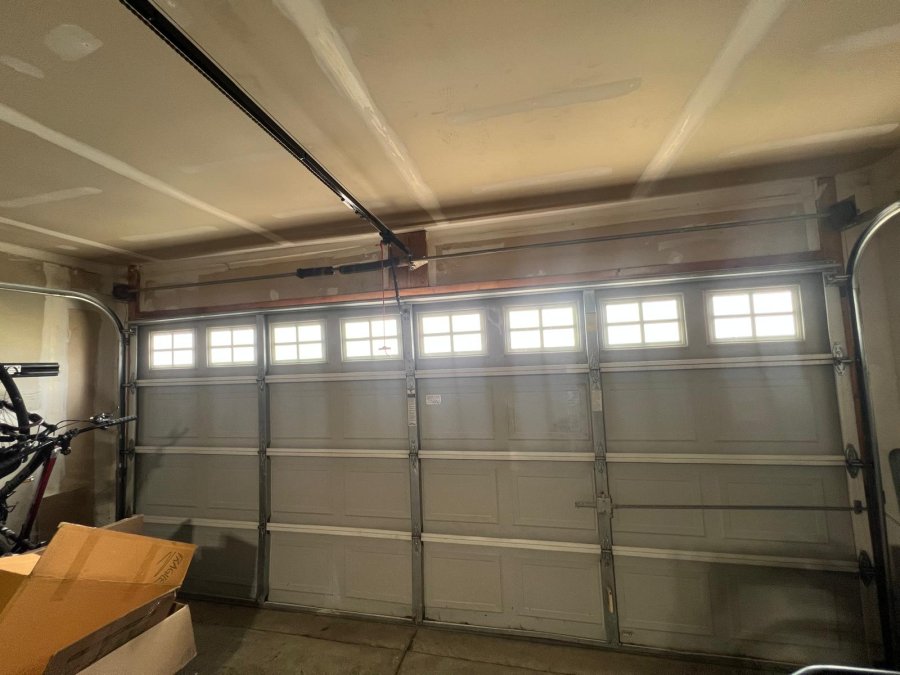
The most common injury pattern involves someone attempting a DIY repair. They loosen the wrong bolt, the spring suddenly releases, or they misjudge the tension and the door drops. Garage door injuries can include severed fingers, crushed hands, broken arms, and head trauma.
A secondary hazard involves the cables that work in tandem with the springs. When a spring breaks, the cable often breaks immediately after, since the cable is suddenly bearing the full weight of the door. A snapped cable can whip around with dangerous force.
The third hazard is the garage door opener itself. When springs fail, the opener motor can be damaged by the sudden load shift. A damaged opener can malfunction, causing the door to close unexpectedly or fail to open when needed.
Prevention starts with regular inspection. The Consumer Product Safety Commission documents show that most garage door injuries occur in homes where the door hasn’t been professionally maintained in years. Schedule annual maintenance with a professional technician who can spot wear patterns before they become critical.
Never attempt to adjust spring tension yourself. Never try to replace a spring without professional equipment. Never ignore warning signs like popping sounds or uneven door movement.
Professional Garage Door Maintenance in Your Area
Regular professional maintenance is the most cost-effective way to prevent spring failure and keep your door operating smoothly. A maintenance visit typically includes inspection of springs, cables, rollers, hinges, and the opener system.
During inspection, a technician checks for visible wear, measures spring tension, lubricates moving parts, and tightens hardware. These steps catch problems early, often before you notice any symptoms.
Garage Door Pro offers same-day service throughout Carmel, Westfield, Zionsville, Fishers, Noblesville, and the greater Indianapolis region. Our technicians arrive with springs and cables on their trucks, which means most jobs are completed in a single visit. We provide a fixed total cost upfront, and work only begins after you approve.
Professional maintenance also documents the condition of your door system. This record is valuable if you ever need to file an insurance claim or if you sell your home. Potential buyers want to know the garage door is in good working condition.
The maintenance process includes lubrication with silicone-based lubricant, which reduces friction and extends the life of springs and cables. Hardware tightening prevents vibration and noise. Cable drum inspection ensures the cables are winding correctly and not fraying.
DIY vs. Professional Spring Replacement
The temptation to save money on garage door spring replacement is understandable. But the risks far outweigh any savings.
DIY attempts require specialized equipment: a spring winding tool, a torque wrench, safety cables, and protective eyewear at minimum.
Routine Maintenance for Smooth Operation
Keeping your garage door operating smoothly requires consistent, simple maintenance. Most of these tasks can be done by homeowners, the critical work, like spring adjustment, must be left to professionals.
Maintenance Task | Frequency | What to Check |
|---|---|---|
Visual inspection | Monthly | Springs, cables, rollers, hinges for rust or damage |
Lubrication | Quarterly | Springs, hinges, rollers, cable drums with silicone lubricant |
Hardware tightening | Quarterly | Bolts and brackets on hinges, rollers, cable drums |
Track cleaning | Quarterly | Debris removal and track alignment |
Professional inspection | Annually | Spring tension, cable condition, balance, safety sensors |
Frequently Asked Questions
What’s the average lifespan of a garage door spring?
Most garage door springs last 7–10 years with regular use, though this depends on cycle life and maintenance. Standard springs handle roughly 10,000 cycles. High-cycle springs can reach 15,000–20,000 cycles, extending your spring’s lifespan significantly. Professional inspection helps identify wear before failure occurs, preventing sudden breakdowns and safety risks.
Can a faulty spring damage my garage door opener?
Yes. When springs lose tension or fail, the opener must work harder to lift a heavier door, reducing motor life and increasing wear on gears and belts. A broken spring forces the entire load onto the opener, which can cause mechanical failure within months. Professional spring replacement restores proper weight distribution and protects your opener from premature damage.
How often should garage door springs be inspected?
Annual inspections catch wear early and prevent emergency repairs. If your door opens slowly, hesitates, or creaks, inspect springs immediately. Professional maintenance identifies metal fatigue, corrosion, and cable wear that homeowners often miss. Regular inspection extends spring life and keeps your door operating smoothly and safely year-round.
Why is professional installation important for garage door springs?
Torsion springs hold extreme tension and can cause serious injury or death if mishandled. Professional technicians have the tools, knowledge, and safety training to handle high-tension springs correctly. They also ensure proper calibration, weight balance, and safety cable installation. Professional installation guarantees the job meets safety standards and your door operates reliably for years.